
Experiential Marketing and Events Industry Trends for 2026
Experiential marketing and the events industry are expected to undergo a clear shift in 2026. Rather than prioritising scale or spectacle alone, brands are likely to focus on experiences that are intentional, relevant, and built to create long-term engagement. Audiences are increasingly seeking brand experiences that feel personal, meaningful, and connected to real-world outcomes.
As expectations continue to rise, experiential marketing strategies in 2026 will need to balance creativity with clarity, technology with human connection, and ambition with execution. At Crowd Culture, we work closely with brands to translate these shifts into experiences that deliver real value.
Below are the key experiential marketing and events industry trends Crowd Culture predicts will shape 2026.
Seamless Integration of Physical and Digital Experiences
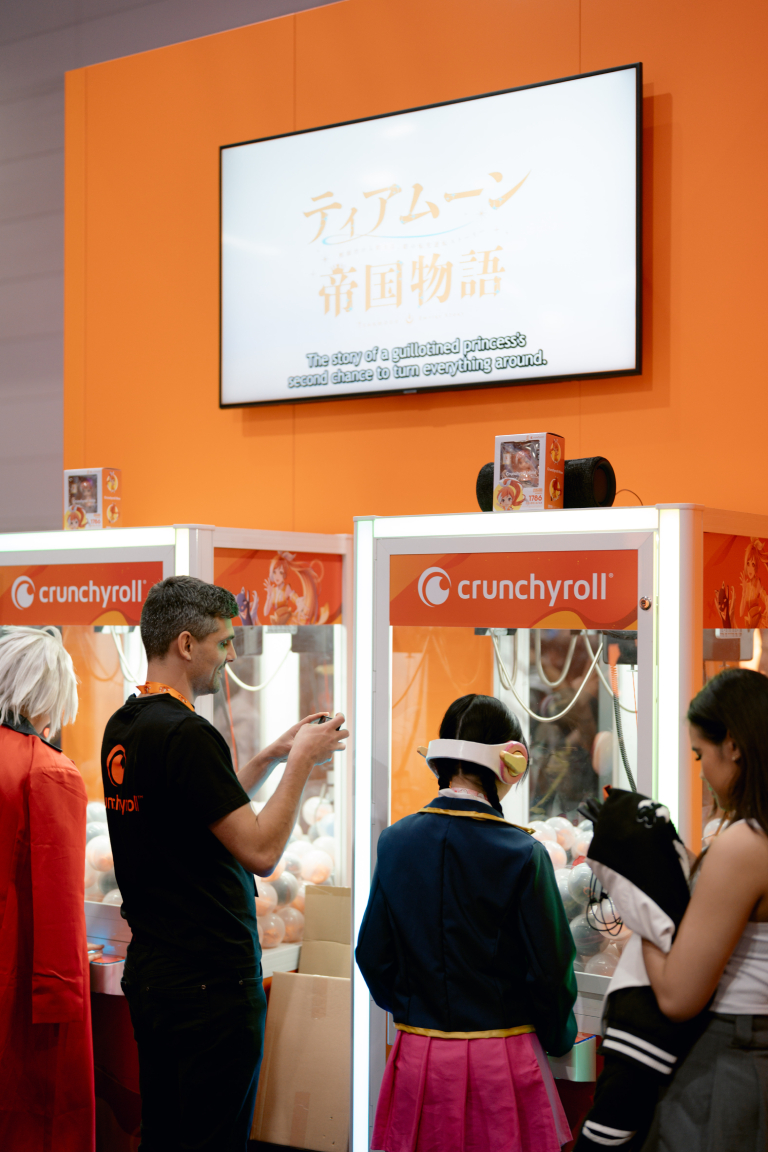
One of the most significant experiential marketing trends for 2026 is the continued convergence of physical and digital experiences. Live events are expected to increasingly incorporate digital layers that enhance how audiences navigate, interact, and engage with a brand.
Rather than using technology as a novelty, brands may focus on tools that improve the audience journey. This could include interactive storytelling, smarter wayfinding, data capture, and personalised content. The goal is to create brand experiences that feel seamless and intuitive.
Importantly, technology should support the experience, not overshadow it. Physical elements such as spatial design, materials, and merchandise are expected to remain critical in grounding experiential events and extending their impact beyond the moment.
Crowd Culture designs experiential marketing environments where physical and digital elements are planned together from the start, ensuring every touchpoint is aligned to brand objectives.
Live Entertainment as Experiential Marketing
Live entertainment is expected to play an increasingly important role in experiential marketing strategies in 2026. As traditional entertainment budgets tighten, brands may invest more heavily in live music, performance, immersive hospitality, and interactive formats as a way to connect with audiences emotionally.
These experiential events can function as destination moments, appealing across demographics and creating strong brand association. At the same time, competition in this space is likely to increase, making differentiation and execution more important than ever.
For non-entertainment brands, opportunities may exist through partnerships with live entertainment IP or by creating unexpected live moments within larger events. When executed strategically, these experiences can drive engagement, brand recall, and earned attention. At Crowd Culture, we help brands assess where live entertainment enhances the brand story rather than distracting from it.
Authenticity and AI in 2026
As AI continues to advance, the digital landscape in 2026 is expected to feel increasingly blurred. With AI-generated text, imagery, and video becoming harder to distinguish from reality, consumers may place less trust in purely digital content and experience growing digital fatigue.
In response, physical marketing and in-person brand experiences are likely to become one of the most effective ways for brands to connect authentically. Live events offer something AI cannot replicate: real human interaction, shared moments, and tangible brand presence.
Marketers in 2026 are expected to face two priorities. The first is reinvesting in meaningful real-world brand experiences that create emotional and cultural connection. The second is preparing for AI-led discovery, where intelligent systems influence what people see, choose, and buy.
At Crowd Culture, we design and deliver physical experiences that cut through digital noise, creating spaces that reflect your brand and communicate your brand messaging directly to your consumers.
Experience First, Scale Second
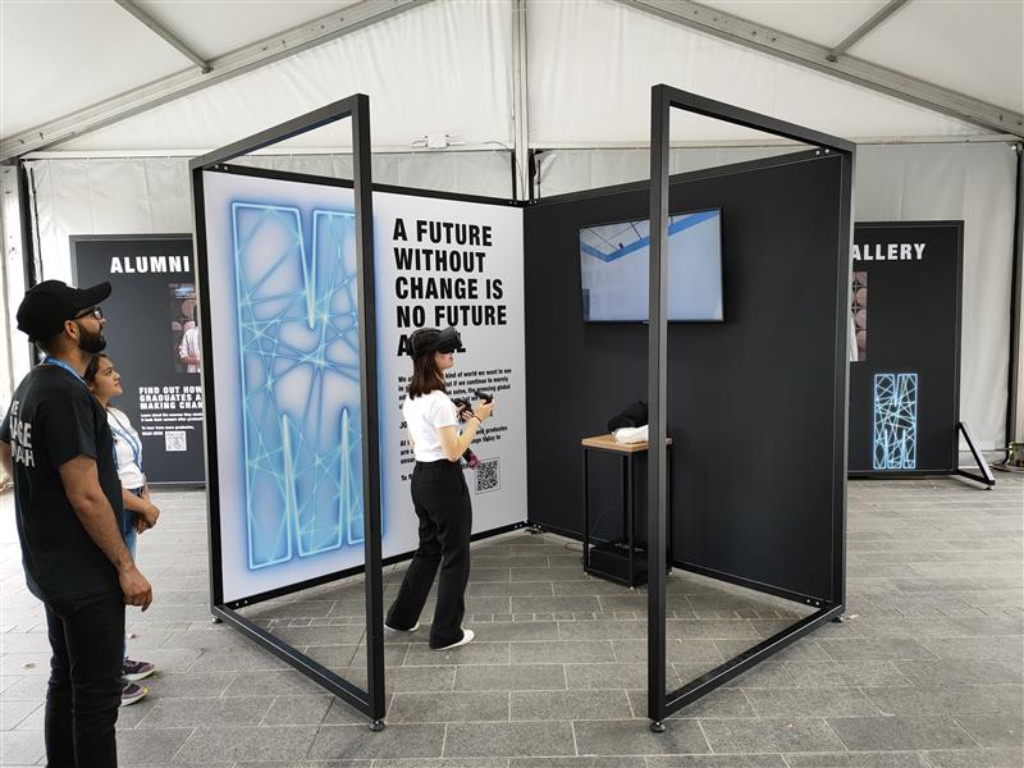
Another key events industry trend for 2026 is the shift away from size as the primary measure of success. Large builds and high foot traffic may no longer define effective experiential marketing. Instead, brands are expected to focus on the quality of the experience and the clarity of the audience journey.
This approach may lead to more intimate environments, clearer audience flows, and moments designed for emotional impact rather than volume. Personalisation is also expected to become more physical, showing up through flexible layouts, purpose-led touchpoints, and responsive lighting, sound, and content.
With reduced scale comes increased pressure on execution. Precision in design, build, and technical planning will be critical, an area where Crowd Culture’s integrated production model delivers strong outcomes.
Technology as Infrastructure in Experiential Events
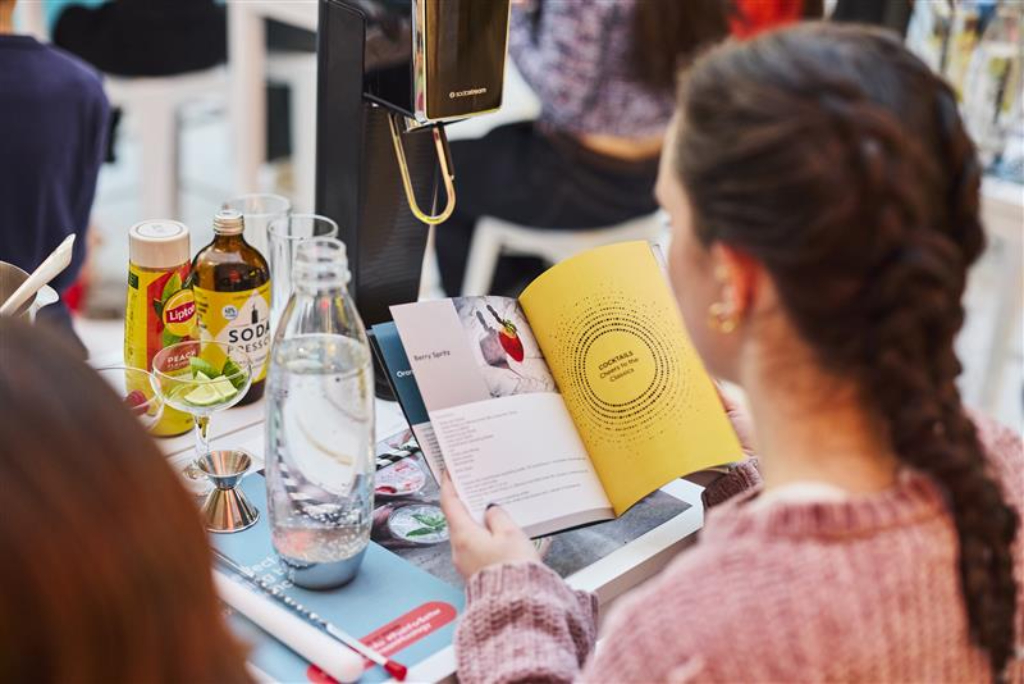
By 2026, audiences are expected to be highly tech-literate, shifting expectations around immersive technology at events. The focus is likely to move from what technology is being used to what experience it enables.
Experiential marketing in 2026 may include greater use of integrated interaction, multi-sensory environments, and LED, audio, and control systems that support narrative flow. When technology underpins the creative idea rather than becoming the idea itself, experiences are more likely to remain relevant over time.
Delivering this requires early alignment between creative, technical, and operational teams, a production approach Crowd Culture prioritises across all experiential events.
The Evolution of B2B Experiential Marketing
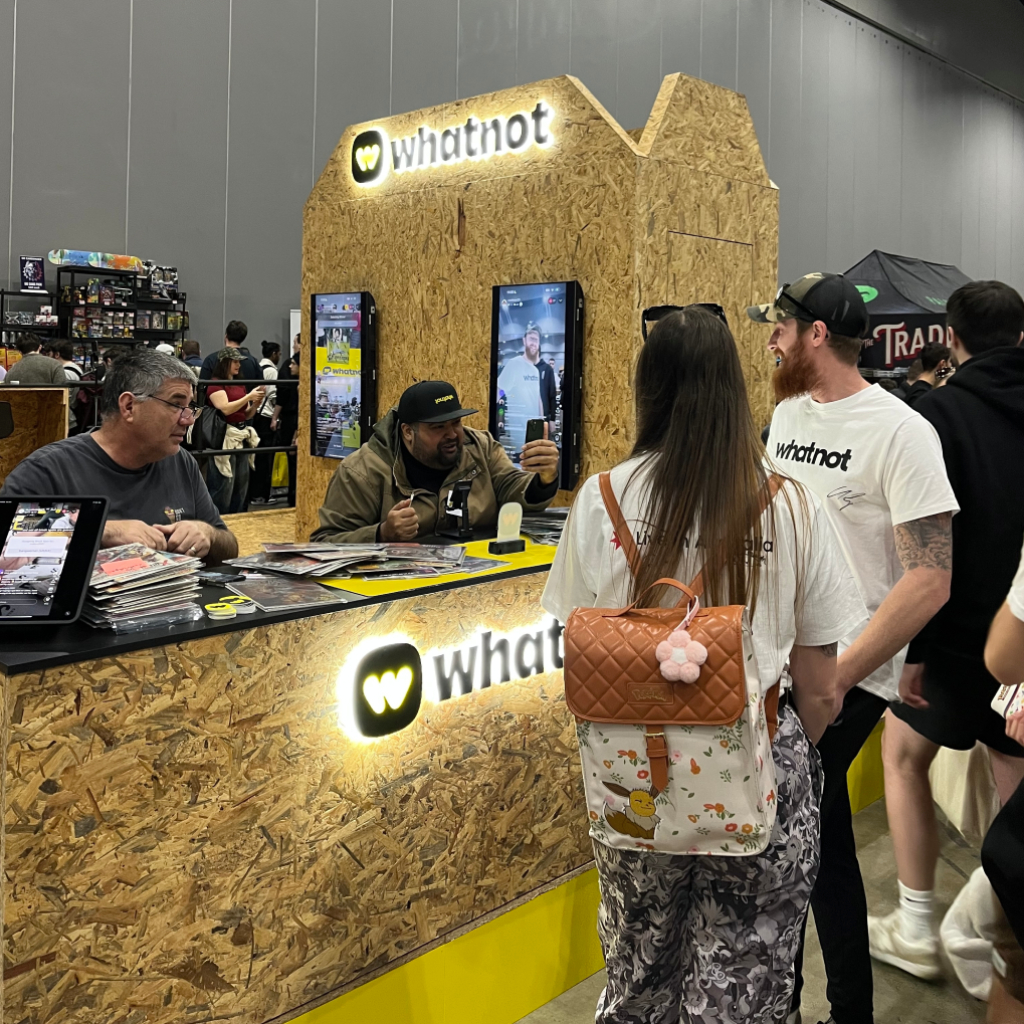
B2B experiential marketing is expected to continue evolving in 2026, moving well beyond traditional trade shows and booth-based environments. Brands may increasingly focus on building trust, credibility, and conversation through experience-led spaces.
B2B audiences now expect the same level of engagement and emotional connection as B2C audiences. As a result, experiential marketing for B2B brands may become more story-driven, purposeful, and culturally relevant. At Crowd Culture, we have delivered complex B2B environments across exhibitions, conferences, and brand activations, where technical reliability and thoughtful spatial design are critical to earning trust.
We expect to see environments designed for discussion rather than footfall, supported by reliable technology, flexible builds, and premium finishes. The strongest B2B brand experiences are unlikely to feel like sales spaces. Instead, they will feel confident, human, and intentional.
Preparing for Experiential Marketing in 2026
As experiential marketing and the events industry continue to evolve, 2026 is shaping up to be a year where intention matters more than ever. Audiences are expected to gravitate toward brand experiences that feel thoughtful, authentic, and strategically designed.
For brands, this means partnering with agencies that understand both creative ambition and production reality. At Crowd Culture, we help brands prepare for the future of experiential marketing by designing and delivering experiences that are purposeful, precisely executed, and built to remain relevant well beyond the event itself.
Links
- Immersive, The Biggest Trend of 2025 | Crowd Culture
- What the year ahead might hold for experiential marketing | The Drum
- Pax Australia 2025 | Crowd Culture
- Trends shaping experiential events in 2026 and what they mean for brands, agencies and producers alike | Made Up
- Crowd Culture: Who Are We? | Crowd Culture
- Event Industry Trends for 2026: A Bold New Era of Innovation and Impact | Event Planner
- Experiential Marketing Trends That Will Redefine Brand Engagement in 2026 | Kim Lawton
- Consumers want less digital, more real world from brands in 2026 | MarTech